Plant profile · North America
Echinacea
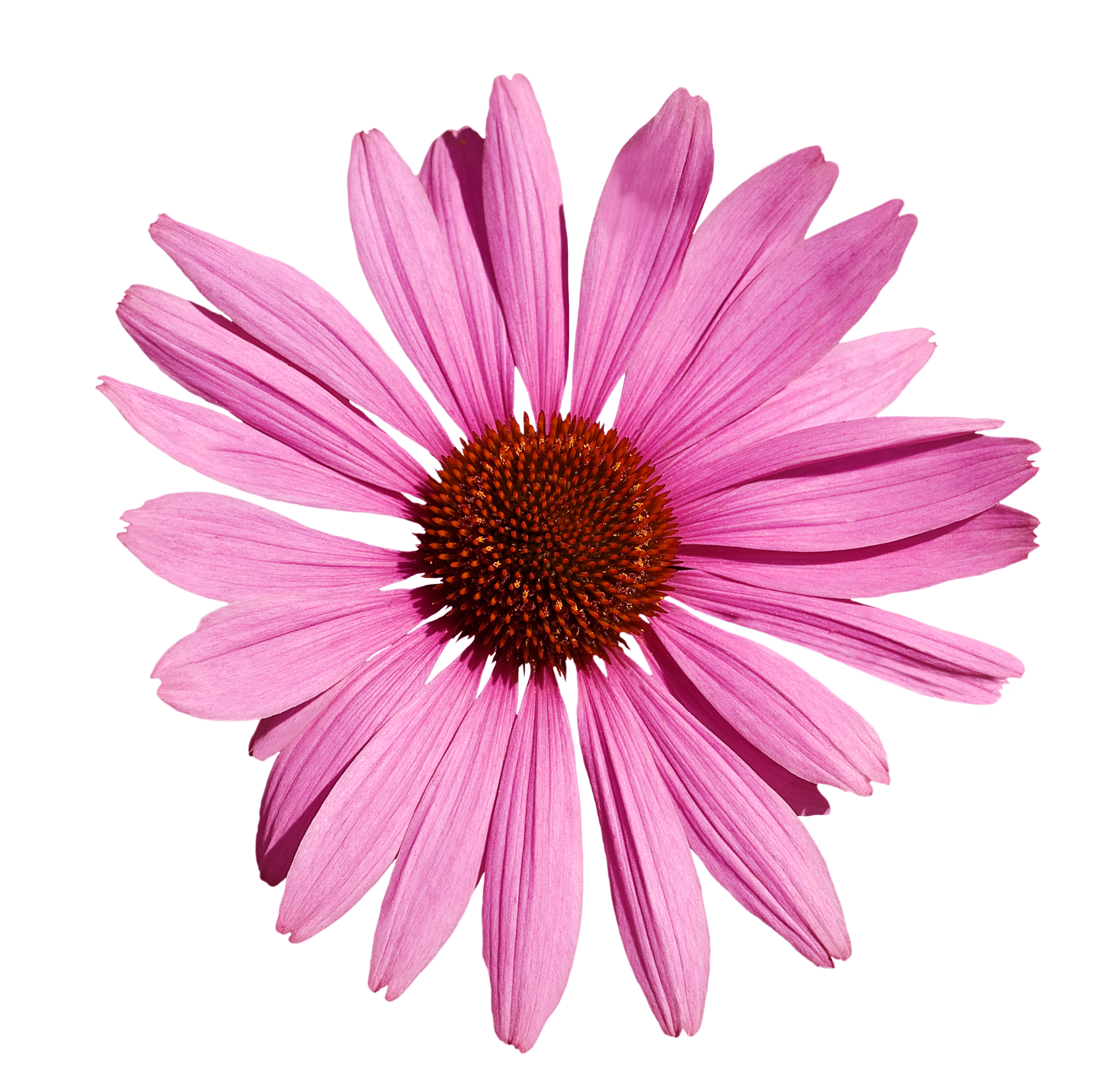
Prairie coneflower. A North American plant with a long Indigenous history and a very loud modern supplement aisle. Learn the plant, not just the capsule.
This prototype offers educational plant guidance only and does not replace medical care. Check with a qualified professional before using herbs or supplements, especially if you take medication, are pregnant or breastfeeding, have a chronic condition, or are choosing something for a child or pet.
Benefits and traditional uses
- Traditional immune-season support
- Pollinator landmark in the garden
- Root and aerial parts used differently
Several Echinacea species were used by Indigenous nations of the North American plains and woodlands. Contemporary herbalism often uses E. purpurea because it grows well in gardens.
Precautions
- Aster family allergy.
- Autoimmune conditions and some medicines need professional guidance.
Prepare
Root decoction or aerial tincture, depending on the tradition and species. Short-term seasonal use is more typical than endless daily capsules.
Dosage
Dosage is not provided in this prototype. A later sourced record can sit here. Do not treat any number on this site as a prescription.
Grow
Sun, decent soil, winter cold. Easy garden perennial. Leave seed heads for birds.
Prairie perennial · Birds eat the seed · Garden-easy
Cultural context
Character-led stories and cultural notes will live here once Maria’s research pass is in. Region on this card: North America.
Buy
Future Shopify connection
Purple coneflower seed
Prairie plant, bird seed, late-summer color. Easy perennial from a patient sowing.
$6