Plant profile · Asia
Cinnamon
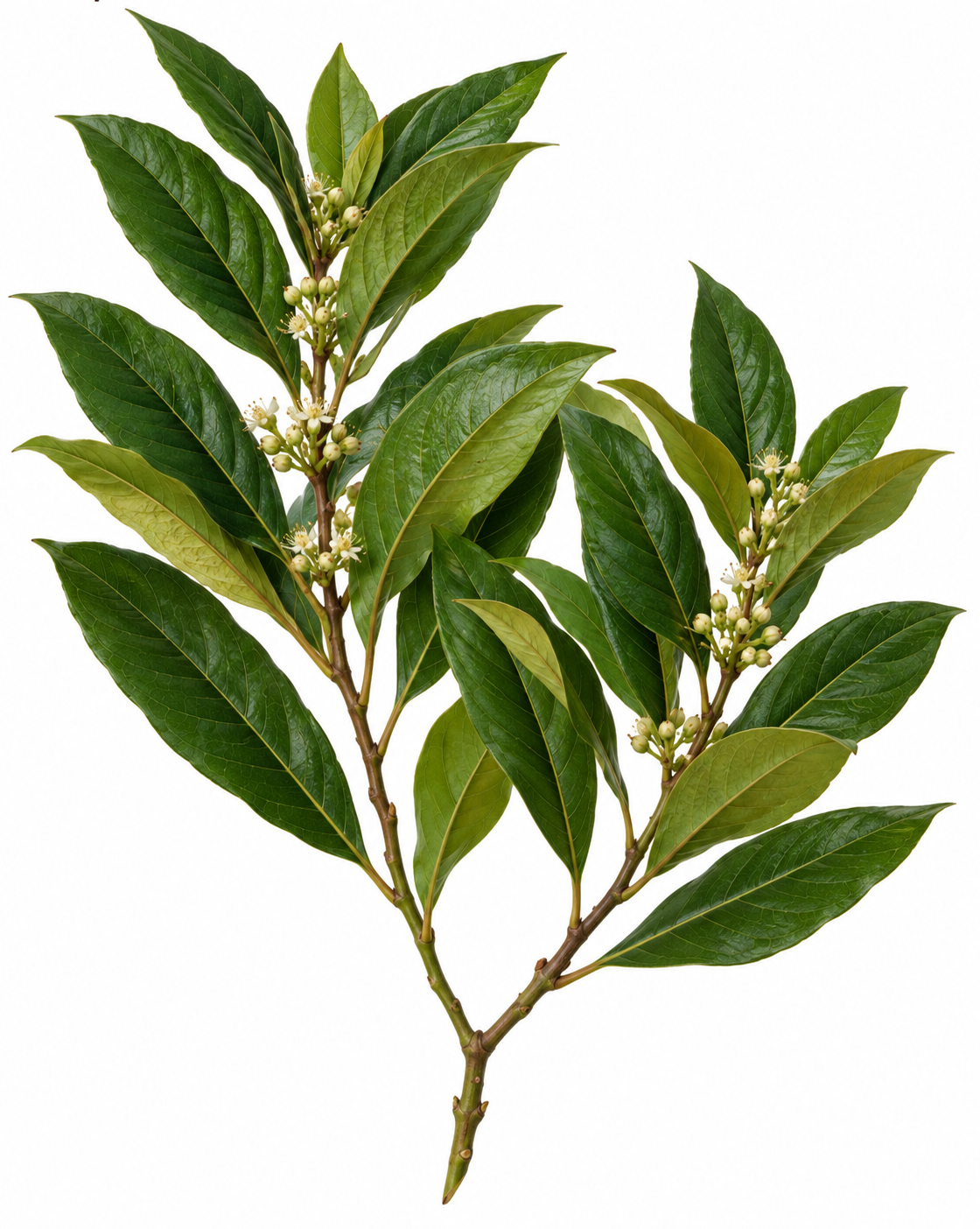
The kitchen bark. Warm, sweet, and older than the jar on the shelf. Culinary amounts are the everyday form.
This prototype offers educational plant guidance only and does not replace medical care. Check with a qualified professional before using herbs or supplements, especially if you take medication, are pregnant or breastfeeding, have a chronic condition, or are choosing something for a child or pet.
Benefits and traditional uses
- Warming culinary bark
- Traditional after-meal spice
- True cinnamon and cassia are not the same plant
South Asian and later global cooking used cinnamon bark as food and a warming digestive. Cassia is the supermarket default in many places.
Precautions
- Cassia is high in coumarin — culinary pinches, not spoonfuls every day.
- Essential oil is not a casual internal remedy.
Prepare
Stick or powder in food and tea. Concentrated extracts and essential oil are another, stronger plant.
Dosage
Dosage is not provided in this prototype. A later sourced record can sit here. Do not treat any number on this site as a prescription.
Grow
Tropical evergreen tree. Buy the bark; the tree wants a wet, warm climate.
Tropical tree · Kitchen spice · Cassia is not true cinnamon
Cultural context
Character-led stories and cultural notes will live here once Maria’s research pass is in. Region on this card: South Asia.
Buy
Future Shopify connection
No mock product yet. Browse the stall.
Open marketplace